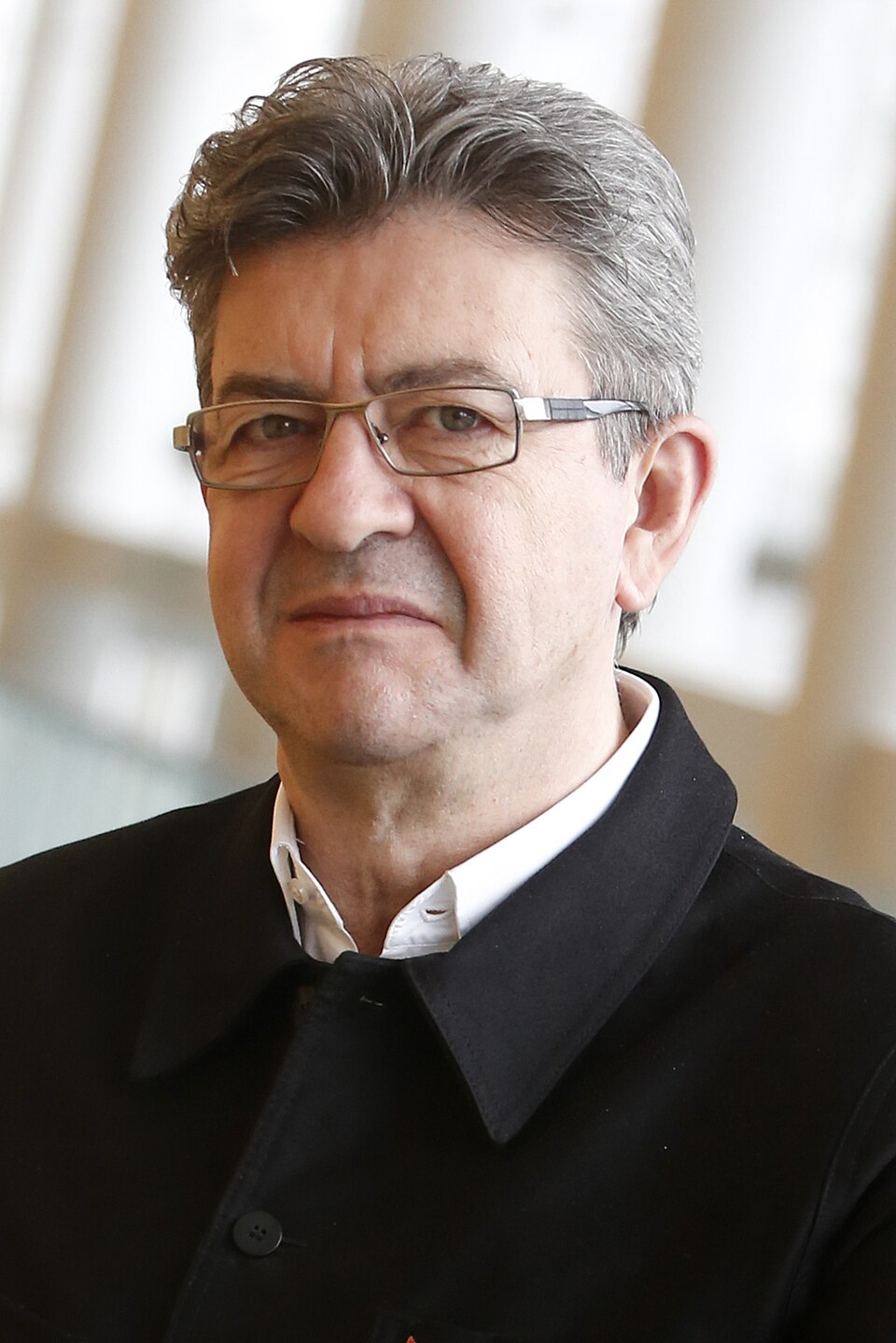
The Road to 2027: Analyzing Mélenchon's Strategic 2026 Meeting Events
As the French political landscape continually shifts, the movements of prominent figures like Jean-Luc Mélenchon are always under intense scrutiny. With an eye towards potential future electoral contests, notably the highly anticipated
mélenchon présidentielle campaign, his recent meeting events in late 2025 and early 2026 offer crucial insights into his strategy, alliances, and the evolving direction of his political movement. These gatherings, held in diverse regions of France, are more than mere public appearances; they are carefully orchestrated platforms designed to galvanize support, introduce new faces, and articulate a clear vision for the nation.
The Strategic Rationale Behind Mélenchon's 2026 Engagements
Mélenchon's sustained presence on the public stage, even outside of immediate election cycles, underscores a long-term strategy aimed at solidifying his influence and preparing for future presidential bids. The 2026 meetings, following on from late 2025, are integral to this process. They serve several critical functions: maintaining visibility, keeping key policy debates alive, and actively engaging with a broad spectrum of the French electorate. This proactive approach ensures that when the time comes for a full-fledged
mélenchon présidentielle campaign, the groundwork of public engagement and organizational strength is already firmly in place.
Furthermore, these events allow Mélenchon to test new political narratives, respond to current national and international challenges, and showcase the depth of talent within his movement. By strategically choosing locations and co-speakers, he crafts a message tailored to resonate with specific demographics while simultaneously projecting a unified, diverse, and robust political force. Understanding these underlying motives is key to interpreting the significance of each rally and the figures who participate.
Key Allies and New Voices: Reinforcing the Movement
The strength of any political campaign lies not just with its leader, but with the collective power of its supporters and key figures. Mélenchon's recent meetings highlight a concerted effort to bring a mix of established campaigners and emerging voices to the forefront, signaling a dynamic evolution of his movement.
Charleville-Mézières: Setting the Stage in Late 2025
The meeting in Charleville-Mézières on December 4, 2025, served as an important kick-off for this series of strategic engagements. While the primary focus was on Jean-Luc Mélenchon himself, the choice of location in the Ardennes region is telling. It signifies an intent to reach beyond metropolitan centers and connect with communities that might feel overlooked by mainstream politics. Such events are crucial for building a national coalition for a future
mélenchon présidentielle, addressing concerns specific to rural and industrial areas, and demonstrating a commitment to the entire French territory. This initial gathering laid the foundation for the collaborative events that followed, setting a precedent for a campaign style focused on direct engagement.
Roubaix: Uniting with David Guiraud and Shéhérazade Bentorki
Just weeks into 2026, the political spotlight shifted to Roubaix, where Mélenchon shared the stage with David Guiraud and Shéhérazade Bentorki on January 31. Roubaix, located in the Nord department, is a city with a rich industrial past and a diverse, working-class population. Its symbolic value for a left-wing movement is immense.
*
David Guiraud is often seen as a vibrant, vocal figure within Mélenchon's movement. His presence suggests an effort to connect with younger voters and leverage dynamic communication styles to reach a broader audience. Guiraud's ability to articulate complex political ideas in an accessible manner makes him a valuable asset for expanding the movement's appeal.
*
Shéhérazade Bentorki represents another critical facet of Mélenchon's strategy: promoting new talents and diverse perspectives. Her inclusion underscores a commitment to renewal and the integration of fresh ideas, essential for any long-term political project. Together, these figures contribute to a multifaceted campaign narrative, crucial for a successful
mélenchon présidentielle.
This meeting was likely designed to reinforce core messages around social justice, economic equality, and community empowerment, themes that resonate deeply in Roubaix. The collaborative format allows Mélenchon to share the platform, demonstrating the collective strength and future leadership potential within his political family.
Aubervilliers: A Powerhouse Line-up with Lescaut, Doghmane, and Lachaud
February 3, 2026, saw a significant gathering in Aubervilliers, a vibrant and diverse commune in the Seine-Saint-Denis department, just north of Paris. This area is a traditional stronghold for left-wing politics and a hub of working-class communities and diverse populations. The presence of Guillaume Lescaut, Amel Doghmane, and Bastien Lachaud alongside Mélenchon signals a strategic deployment of experienced and influential figures.
*
Guillaume Lescaut often plays a pivotal role in campaign organization and strategic communications, bringing a wealth of experience to the table. His involvement highlights the professional and structured nature of Mélenchon's pre-campaign efforts.
*
Amel Doghmane, like Bentorki, likely brings an important fresh perspective and represents the future direction of the movement, connecting with new demographics and articulating contemporary concerns.
*
Bastien Lachaud, an established figure, often contributes to parliamentary strategy and policy development. His presence adds intellectual weight and a legislative perspective to the discussions, reinforcing the movement's capacity for governance.
This robust line-up in Aubervilliers was a clear demonstration of collective strength and a concerted effort to project a broad, inclusive vision for a future
mélenchon présidentielle. The combination of established leaders and new voices creates a powerful synergy, crucial for mobilizing grassroots support and projecting an image of readiness for leadership.
Thematic Focus and Campaign Trajectory for a "Mélenchon Présidentielle"
These meetings, regardless of location or specific co-speakers, invariably weave in Mélenchon's consistent themes, adapted to the prevailing political climate. Expect discussions centered on pressing issues such as:
*
Purchasing Power and Economic Justice: Addressing the cost of living, wages, and social inequalities remains a cornerstone of his platform.
*
Ecological Planning: Promoting a comprehensive plan for environmental transition and climate action, distinct from what he often criticizes as "greenwashing."
*
Social Services and Public Sector: Advocating for strong public health, education, and other essential services.
*
International Relations: Expressing clear stances on global conflicts, international cooperation, and France's role in a multipolar world.
These gatherings are more than just rallies; they are workshops for political thought, where ideas are debated, refined, and disseminated. By consistently campaigning on these issues, Mélenchon shapes the national discourse and positions himself as the leading voice for a significant segment of the electorate, laying the groundwork for a compelling
mélenchon présidentielle platform.
Navigating the Political Landscape: Insights and Outlook
The strategic unfolding of Mélenchon's meeting events in late 2025 and early 2026 offers valuable insights for political observers. They demonstrate a clear intent to maintain momentum, cultivate diverse alliances, and continually refine the message for future electoral battles. For those following French politics, paying attention to the specific blend of personalities at each event, the chosen locations, and the recurring thematic elements can reveal much about the evolving strategy for a potential Mélenchon presidency.
These events are crucial data points in understanding the broader narrative and grassroots mobilization efforts. They highlight not just Mélenchon's personal appeal, but the organizational depth and strategic foresight of his movement. To gain a deeper understanding of his broader campaign activities during this period, you might find
Mélenchon's Winter Campaign: Meetings Across France in 2025-2026 and
Mélenchon's Busy Schedule: Recent Meetings in Late 2025 and Early 2026 particularly informative for additional context and details on his itinerary.
In essence, these meetings are not merely about reporting on past events but about understanding the deliberate construction of a future political campaign. They are a window into the careful balancing act of leveraging established leadership while integrating new, vibrant voices to sustain relevance and appeal across France.
In conclusion, Jean-Luc Mélenchon's carefully orchestrated meeting events in late 2025 and early 2026, marked by the inclusion of key figures like David Guiraud, Shéhérazade Bentorki, Guillaume Lescaut, Amel Doghmane, and Bastien Lachaud, are more than just political gatherings. They are foundational components of a sustained campaign strategy, meticulously designed to build momentum, articulate a comprehensive vision, and prepare the ground for a potential
mélenchon présidentielle bid. By engaging diverse communities and showcasing a united front, Mélenchon continues to position himself as a formidable contender in the ever-evolving landscape of French politics.